Missiles hit the UAE. The Burj Al Arab caught fire from falling debris. Dubai International Airport was damaged. Social media declared the property market dead.
Then Dubai posted its strongest first quarter in real estate history.
That contradiction should stop every Australian investor mid-scroll. The gap between what headlines scream and what data actually shows has never been wider. Fear is loud. Numbers are quiet. But numbers do not lie.
If you have been watching Dubai from Sydney, Melbourne, or Brisbane, you probably feel torn right now. Part of you sees opportunity. Part of you wonders whether the safe haven story is over. That tension is completely normal. It means you are thinking like an investor, not a spectator.
This guide breaks down Dubai property investment after the ceasefire. No hype. No sugarcoating. Just the facts that matter for your money.
What Actually Happened During the Iran War
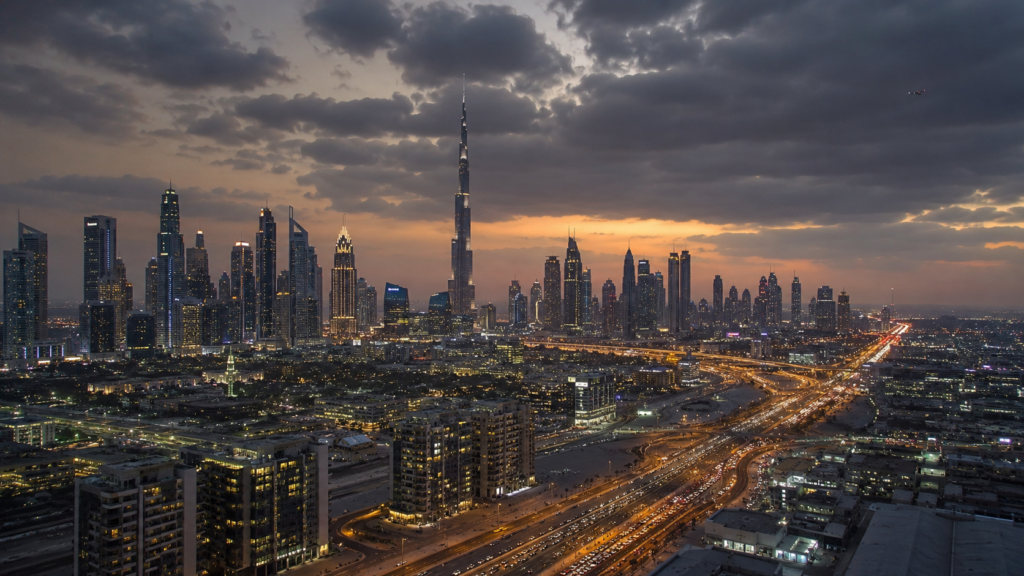
On February 28, 2026, the United States and Israel launched coordinated strikes on Iran. Iran struck back immediately. Missiles and drones flew across the Gulf for 40 straight days. The Strait of Hormuz was closed to most shipping. Airspace shut down across the region. Over a million travellers were stranded worldwide.
The UAE was not spared. Iran launched wave after wave of ballistic missiles and drones at Emirati territory. The UAE Ministry of Defence reported intercepting 475 ballistic missiles, 23 cruise missiles, and over 2,085 drones throughout the conflict.
Most damage in Dubai came from interception debris, not direct strikes. Thirteen people lost their lives across the UAE. Another 188 were injured from 29 nationalities. Schools moved to distance learning. Emergency services responded to every incident.
But Dubai’s civil infrastructure stayed operational the entire time. No buildings collapsed. No communities were permanently evacuated.
Where Things Stand Today
On April 8, 2026, a two-week ceasefire took effect. Pakistan brokered the deal. Negotiations begin in Islamabad this Friday, April 10. Iran submitted a 10-point peace proposal. The United States called it a “workable basis” for talks.
Emirates is already flying to 125 of its usual 140+ destinations. Flydubai has restored over 100 routes. The Strait of Hormuz is reopening under coordinated passage.
The situation remains fragile. But the direction has clearly shifted toward stability.
What the Property Market Actually Did
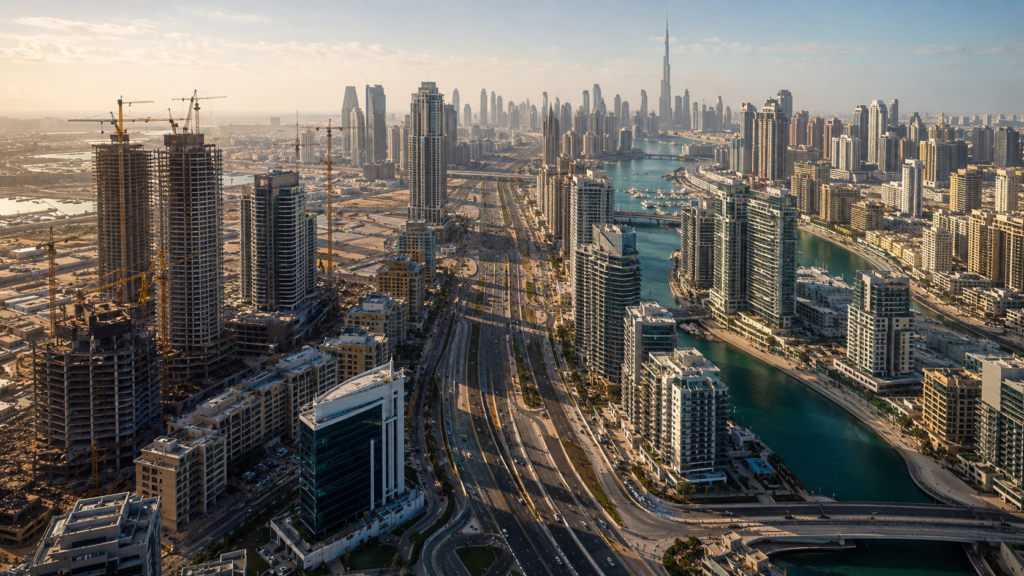
Close the social media apps. Open the Dubai Land Department data instead. What you find will challenge everything the headlines tell you.
Q1 2026 Numbers That Matter
Dubai recorded approximately AED 138.7 billion in property sales across 44,150 deals during Q1 2026. Transaction values rose 21.2% compared to the same quarter last year. January alone hit AED 72.5 billion. That was 62% higher than January 2025.
Let that sink in. During an active regional war, Dubai posted a record quarter.
Physical property prices dipped roughly 4% to 7% from their pre-war peak. That is the real correction. Not the 30% to 40% crash that WhatsApp groups predicted.
The confusion comes from mixing up stocks and bricks. The Dubai Financial Market Real Estate Index dropped around 21%. But that tracks listed developer shares, not apartments and villas. Stocks react in seconds. Property takes weeks to settle. Completely different instruments.
Three Reasons the Market Held
Not every market survives a regional war. Dubai’s held because of structural factors that existed long before the first missile was launched.
- Cash dominance. Around 65% to 70% of Dubai property transactions are cash purchases. No leverage means no forced selling. No margin calls. No liquidation spiral. Cash buyers absorb shocks that would crush a mortgage-heavy market overnight.
- Record momentum heading in. Dubai closed 2025 with AED 917 billion in transactions across 270,000+ deals. That was the strongest year in the emirate’s history. The market entered this crisis with deep liquidity and genuine demand, not speculative froth.
- Global buyer diversity. Over 150 nationalities purchased Dubai property in Q1 2026. When one group pauses, others step in. Indian, Russian, European, and Gulf investors all remained active throughout the conflict.
Industry leaders at major Dubai brokerages described the mood as “stability, not panic.” Viewing activity at one leading firm jumped 75% in the final days of the conflict compared to the first few days.
What This Means for Australian Investors
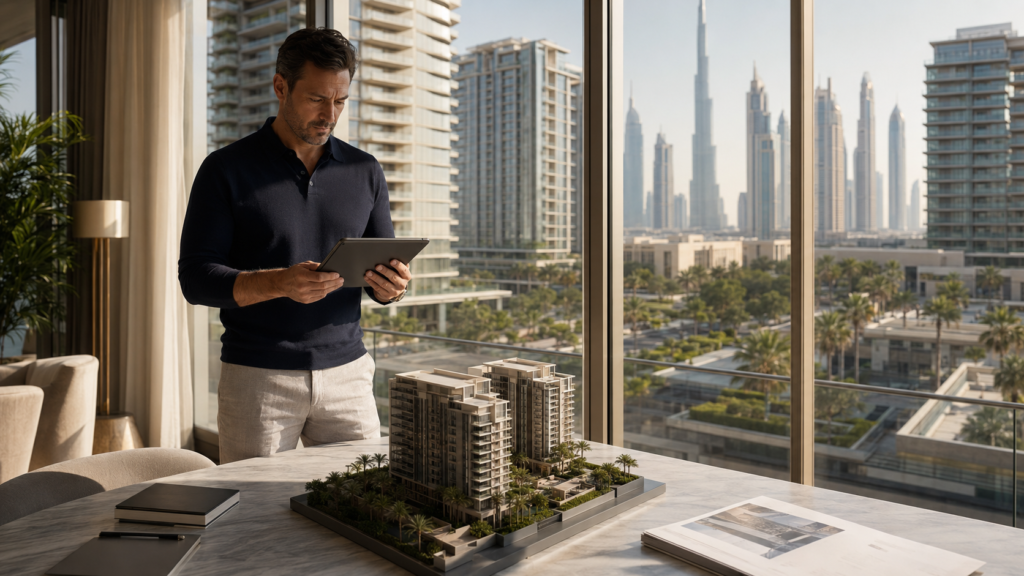
Your instinct to wait makes sense. You are sitting thousands of kilometres from the action. The footage is confronting. Caution feels responsible.
But waiting has a cost, too. And right now, that cost is measurable.
The Entry Window Is Real, and It Is Temporary
Prices have softened 4% to 7% from peak. Motivated sellers on the secondary market are cutting deals to move quickly. Off-plan developers have introduced more flexible payment structures than three months ago.
Every analyst covering Dubai says the same thing. Once peace holds, the buyers who paused will flood back in simultaneously. Pent-up demand returns. Sellers pull their discounts. The window shuts fast.
The Australian dollar currently trades around 0.69 to 0.70 against the US dollar. That is near a three-week high following the ceasefire announcement. A strengthening AUD combined with a temporary dip in Dubai prices creates a dual advantage that did not exist in January.
What Has Not Changed
Here is what the war did not touch. Not one of these structural advantages shifted during the 40 days of conflict.
- Rental yields of 7% to 12% across popular freehold communities stayed intact. Rents actually held firm while some sale prices softened. That means yields have improved for anyone entering the market right now.
- Zero tax on rental income still applies. Australian investors report foreign earnings to the ATO , but no UAE-side taxation protects your gross returns.
- Golden Visa eligibility has not changed. Properties at AED 2 million or above still qualify for a 10-year UAE residency visa. At today’s exchange rates, that sits around AUD 830,000.
- Interest-free payment plans remain standard on off-plan purchases. Entry points for Australian investors still start from approximately AUD 250,000 with developers like Emaar, DAMAC, Binghatti, and Ellington.
- RERA escrow protections still safeguard every off-plan transaction. Your money sits in a regulated account until construction milestones are met. That system operated without interruption during the entire conflict.
For SMSF trustees exploring overseas property, a temporary dip in entry pricing could improve the long-term return profile of a compliant allocation. Speak with your SMSF advisor before committing.
Should You Wait or Should You Move?
Nobody can guarantee what happens next. The ceasefire lasts two weeks. Talks could succeed or collapse. A second escalation remains possible, though diplomatic momentum and global pressure make it less likely.
What we can do is look at history. Every major disruption in Dubai has followed the same pattern. Prices dipped during the crisis. Sentiment recovered within weeks of stability. Prices climbed past pre-crisis levels within 12 to 18 months. The 2008 financial crisis, the 2020 pandemic, and the 2024 regional tensions all followed this path.
Investors who bought during the dip consistently outperformed those who waited for the all-clear.
That said, this is not a moment for reckless optimism. If you move forward, here is how to protect yourself:
- Stick to proven developers. Emaar, DAMAC, Binghatti, Ellington, and Omniyat have delivery track records you can verify. Avoid unknown names launching flashy projects with no construction history.
- Target high-demand rental communities. Dubai Marina, Jumeirah Village Circle, Business Bay, and Dubai Hills Estate have consistent tenant demand. High rental income protects you even if capital appreciation slows temporarily.
- Prioritise cash or manageable payment plans. Over-leveraging during uncertainty creates unnecessary risk. Keep your commitments within a range you can sustain regardless of what happens next in the region.
- Get independent legal advice. An Australian property lawyer familiar with overseas transactions can review contracts before you sign. This is not optional. It is essential.
- Verify everything face to face. Online research has limits. Sitting across from a developer representative and asking hard questions is worth more than a hundred blog articles.
The quality gap between strong and weak assets is more visible right now than it has been in years. That clarity is actually a gift for disciplined investors.
Why Face-to-Face Access Matters More Than Ever

The last 40 days proved something important. Reading about Dubai online and actually speaking with licensed developers are two completely different experiences. Social media created panic. Data told a different story. The investors who had direct relationships with developers navigated the uncertainty with far more confidence.
The Dubai Property Expo brings that direct access to Australian cities. Events run across Sydney, Melbourne, Brisbane, Perth, and the Gold Coast throughout 2026. Every exhibiting developer holds a Dubai Land Department registration. Bright Realty International vets all participants before they exhibit.
At the expo, you can ask the questions that actually matter right now. What is the construction status of your current projects? How did your company handle the conflict period? What protections exist for my deposit? Are your completion timelines still on track?
These are not questions you can answer through a Google search. They require a conversation with a real person who represents the developer building your property.
If you want to understand the full event format, our guide on the Dubai Property Expo Australia 2026 walks you through everything. For details on the investment seminars and consultation sessions, check our Dubai Property Show 2026 overview. Sydney-based investors can find city-specific details in the Dubai Property Expo Sydney 2026 guide.
Your Dubai Property Investment Decision Starts With Facts
The ceasefire is here. The data is clear. Dubai property investment recorded a historic Q1 despite 40 days of conflict. Prices dipped, not crashed. Every structural advantage that attracted Australian investors before the war remains fully intact.
Whether you are ready to act or still gathering information, the Dubai Property Expo puts you face to face with the people who build, sell, and manage Dubai real estate. That access matters more in uncertain times than it ever did during the boom. Explore what is available. Talk to the developers. Ask the hard questions. The answers might change your investment outlook entirely. Start at dubaipropertyexpoaustralia.com.au.
Frequently Asked Questions
Is Dubai safe for property investment after the Iran war?
The two-week ceasefire took effect on April 8, 2026. Negotiations start this Friday in Islamabad. Dubai’s property market recorded record Q1 transactions despite the conflict. Physical prices dipped just 4% to 7%. Structural fundamentals remain strong and unchanged.
Did Dubai property prices crash during the conflict?
No. Physical prices softened approximately 4% to 7%. The developer stock index fell around 21%, but that measures equity sentiment, not actual property values. Transaction volumes slowed in March but stayed active throughout.
Can Australians still buy property in Dubai right now?
Yes. Freehold ownership laws are unchanged. Australians can buy remotely or in person. The full buying process, RERA escrow protections, and developer payment plans all remain fully operational.
Is this a good time to enter the Dubai market from Australia?
Many analysts describe the current window as a rare entry point. Prices sit below peak. The AUD is strengthening. Motivated sellers are offering deals that would not exist in a normal market. Professional advice is strongly recommended before committing.
How can I evaluate Dubai opportunities safely from Australia?
The most effective route is attending a Dubai Property Expo in your nearest city. You meet licensed developers directly, attend free investment seminars, and get one-on-one consultations. Head to dubaipropertyexpoaustralia.com.au for upcoming event details and to secure your spot.